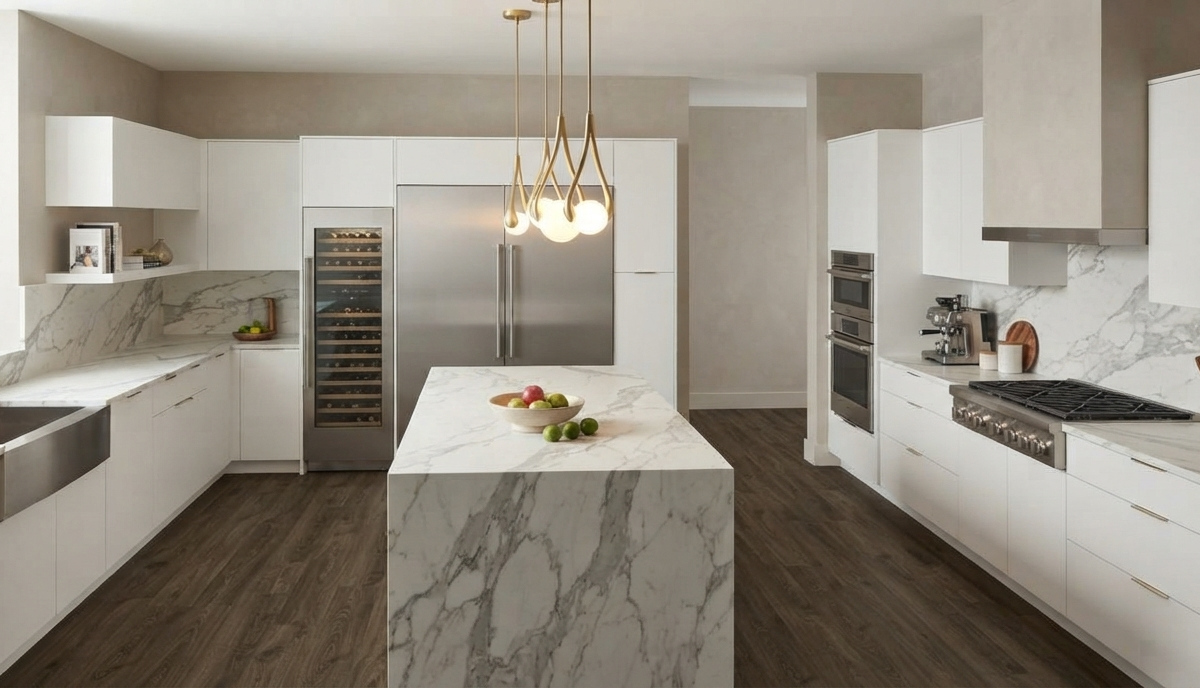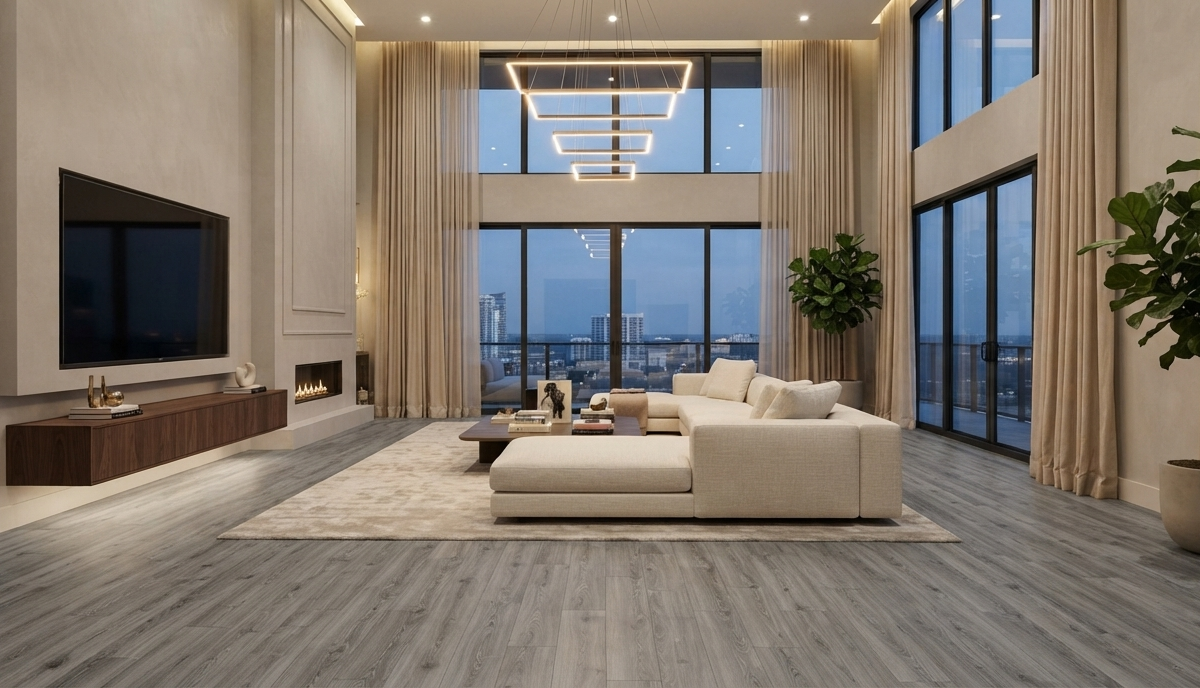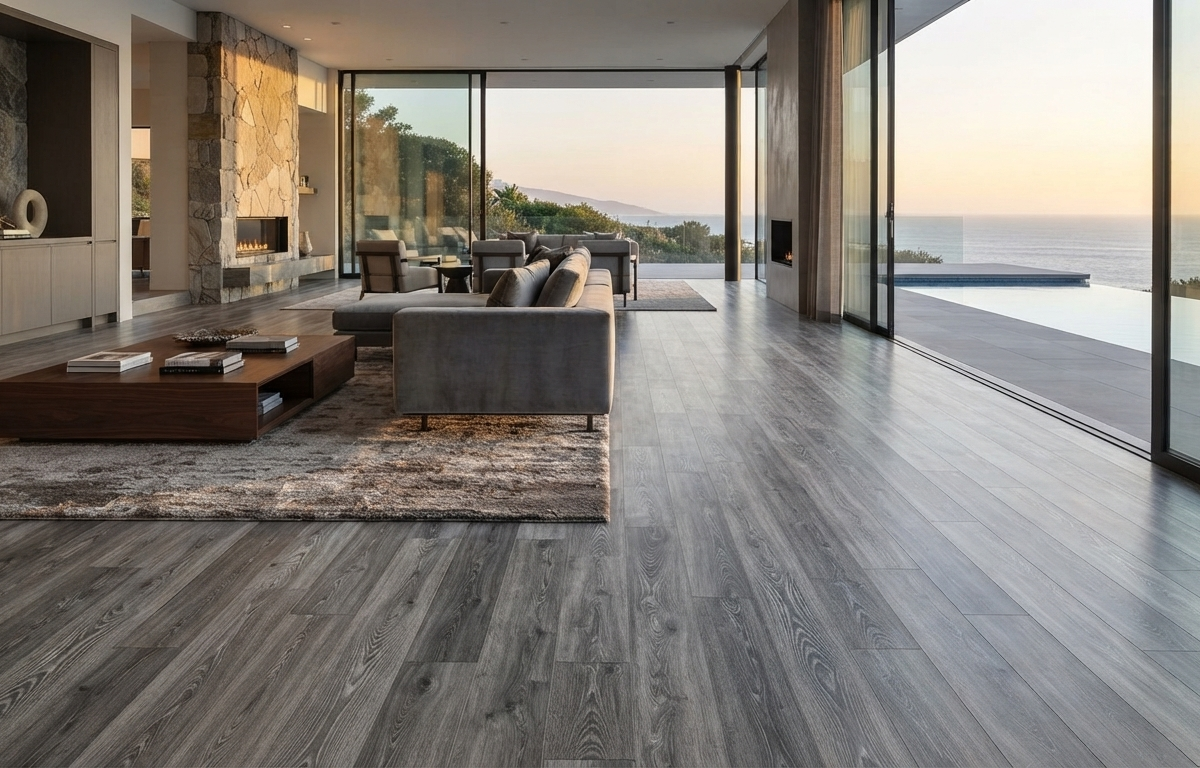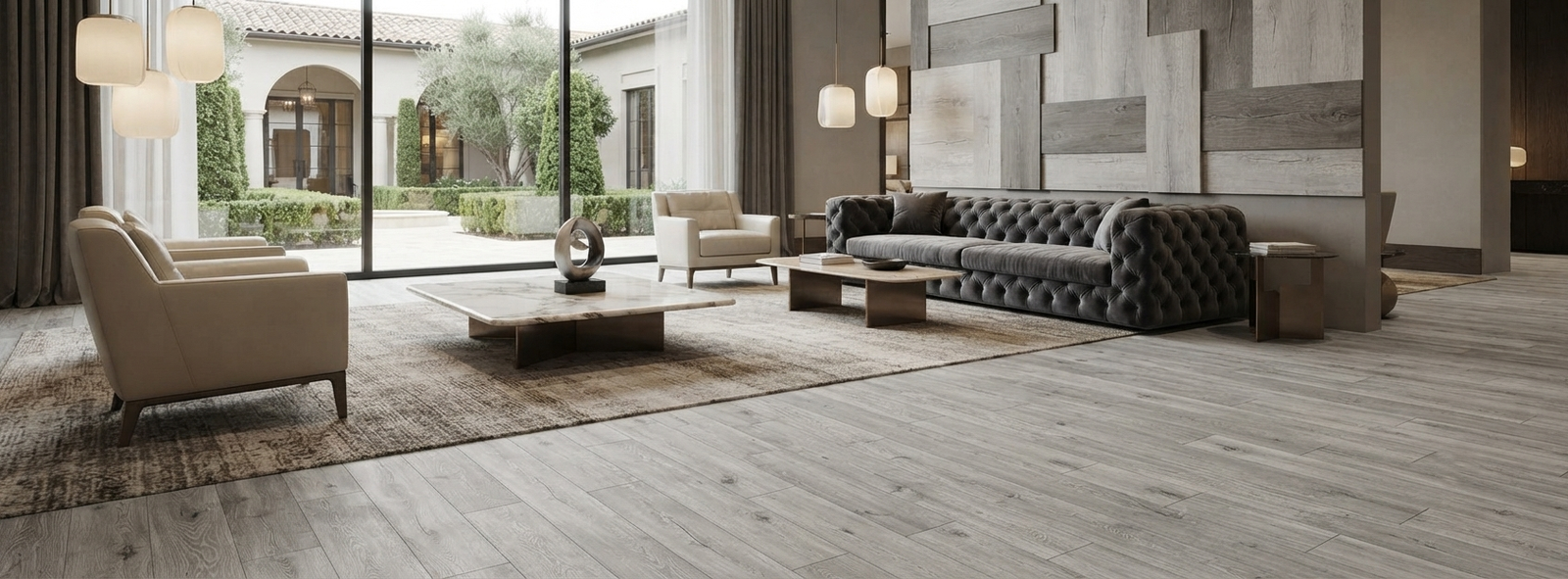
Discover the ultimate balance of aesthetic warmth and heavy-duty durability with our waterproof wood look lvp collection. Explore professional-grade luxury vinyl flooring designed to elevate modern residential and commercial spaces effortlessly.
Introduction
Choosing the right surface material for your residential or commercial space is one of the most impactful design decisions you can make. When you walk into a beautifully designed room, the floor sets the entire psychological tone, grounding the furniture and reflecting your personal style. Today’s modern property owners demand surfaces that bridge the gap between high-end visual appeal and heavy-duty structural resilience. Enter luxury vinyl flooring, a product category that has completely revolutionized modern architecture and interior styling.
As part of the exclusive FLOORING CULTURE collection, the FLOORING-CULTURE 2639-5 model represents the pinnacle of modern surface engineering. It combines the organic warmth of authentic timber with advanced polymer manufacturing, delivering an exceptionally stable surface that stands up to daily life without missing a beat. Whether you are updating a cozy suburban house or outfitting a bustling commercial venue, understanding your options ensures long-term satisfaction and value.
What is Luxury Vinyl Flooring?
To fully appreciate modern materials, we must first address fundamental definitions. What is luxury vinyl flooring?
At its core, it is a multi-layered synthetic product designed to replicate natural materials like hardwood or stone while offering superior moisture resistance and ease of maintenance.
-
What is LVP flooring?
Lvp flooring stands for luxury vinyl plank, which is specifically engineered in long, narrow strips to mimic traditional hardwood planks complete with embossed grain patterns. -
What is Lvt flooring?
Lvt flooring refers to luxury vinyl tile, which generally replicates ceramic, porcelain, or stone tiles.
By utilizing high-resolution photographic imaging layers beneath a tough protective wear layer, these products capture the authentic character of natural materials while eliminating their inherent vulnerabilities. Luxury vinyl plank flooring and luxury vinyl tile represent the fastest-growing sectors in the surface materials industry for good reason.
Key Features of FLOORING-CULTURE 2639-5
The FLOORING-CULTURE 2639-5 stands out in the waterproof wood look lvp collection due to its meticulous construction and performance-driven design. Engineered with a rigid stone polymer composite (SPC) core, this product offers structural stability that resists expansion and contraction even under extreme temperature shifts.
-
Rigid Core Construction: Provides superior indentation resistance against heavy furniture and high heels.
-
Authentic Wood Visuals: Features multi-tonal embossing that mimics genuine hardwood grain patterns.
-
Integrated Underlayment: Enhances sound absorption and provides a comfortable underfoot feel.
-
Advanced Wear Layer: Protects against scuffs, UV fading, minor scratches, and heavy foot traffic.
-
Zero VOC Emissions: Manufactured to ensure healthy indoor air quality for your family or employees.
Benefits of Modern Waterproof Flooring
Moisture is the traditional enemy of wood and laminate surfaces, often leading to warping, swelling, and costly structural replacements. Choosing waterproof flooring completely changes how you manage wet zones, giving you the freedom to run matching textures continuously through kitchens, bathrooms, and entryways.
-
Waterproof Integrity: Spills, pet accidents, and moisture tracking pose zero threat to the core structure.
-
Exceptional Durability: Designed to handle high-traffic environments effortlessly.
-
Comfort and Warmth: Unlike cold ceramic tile, waterproof vinyl flooring feels comfortable under bare feet.
-
Low Maintenance: Simple sweeping and occasional damp mopping keep surfaces looking pristine.
Use Cases
Because of its versatile engineering, the FLOORING-CULTURE 2639-5 adapts seamlessly to diverse environments. Selecting a single cohesive surface material throughout an entire floor plan creates an expansive, unified visual flow.
Residential Spaces
-
Living Rooms: Provides a sophisticated, warm aesthetic ideal for family gatherings.
-
Bedrooms: Delivers acoustic dampening and a comfortable tactile experience.
-
Kitchens and Bathrooms: Offers reliable waterproof flooring protection against daily splashes and spills.
Commercial Environments
-
Retail Boutiques: Withstands heavy daily foot traffic while maintaining a high-end presentation.
-
Corporate Offices: Reduces ambient noise levels while projecting a professional, modern corporate identity.
-
Hospitality Venues: Combines easy sanitation protocols with striking architectural styling.
Comparison Section
Navigating the multitude of available materials can feel overwhelming. Below is a detailed comparison to help you evaluate your choices objectively.
| Feature / Material | FLOORING-CULTURE 2639-5 (LVP) | Traditional Hardwood | Laminate Flooring | Ceramic Tile |
| Water Resistance | 100% Waterproof | Poor to Moderate | Low to Moderate | 100% Waterproof |
| Installation Method | Click-lock Floating / Glue-down | Nail-down / Glue-down | Click-lock Floating | Thin-set Mortar & Grout |
| Underfoot Comfort | Moderate to High (with pad) | High | Low to Moderate | Very Low (Hard & Cold) |
| Maintenance Effort | Low (Sweep & Mop) | High (Special Cleaners) | Moderate (No standing water) | Moderate (Grout cleaning) |
| Pet Friendliness | Excellent | Poor (Scratches easily) | Moderate | Excellent (Slippery) |
Pros & Cons
Every surfacing solution involves trade-offs between upfront investment, aesthetic goals, and long-term performance. Here is an honest look at the advantages and disadvantages of choosing luxury vinyl flooring.
Pros
-
Completely impervious to water damage.
-
Highly realistic wood and stone aesthetics.
-
Gentle underfoot comfort and sound suppression.
-
Straightforward floor installation process.
-
Exceptional longevity under heavy traffic.
Cons
-
Requires a flat, level subfloor to prevent telegraphing imperfections.
-
Cannot be sanded and refinished like solid hardwood.
-
Can fade over time if exposed to intense, direct, unshaded UV sunlight for decades.
Cost Guide
Budgeting accurately is essential for a stress-free home improvement project. Understanding the financial breakdown prevents unexpected surprises during your renovation journey.
Material Expenses
-
Standard Grades: $2.00 to $4.00 per square foot.
-
Premium Collections (like FLOORING-CULTURE 2639-5): $4.50 to $7.00+ per square foot, reflecting superior core density and high-definition embossing.
Installation Expenses
-
Professional Labor: Typically ranges from $2.00 to $5.00 per square foot depending on subfloor prep requirements, stairs, and layout complexity.
-
Total Project Estimate: Including materials, underlayment, and labor, standard room renovations average between $6.00 and $12.00 per square foot total.
Buying Guide
Investing in quality surfaces requires looking beyond marketing claims and evaluating technical specifications. When shopping for luxury vinyl flooring, keep these core criteria in mind:
-
Wear Layer Thickness: Look for commercial-grade wear layers ranging from 20 mil to 30 mil for maximum scratch protection in busy households.
-
Core Type: Prioritize rigid core (SPC) over flexible glue-down vinyl for superior dent resistance and thermal stability.
-
Acclimation and Warranty: Check manufacturer warranties—reputable brands offer lifetime residential and multi-year commercial coverage.
-
Sample Testing: Always order physical samples to test how the color interacts with your home’s unique natural and artificial lighting.
Installation Guide
While professional vinyl flooring installation guarantees manufacturer warranty protection, advanced click-lock systems are also popular among experienced DIYers. Meticulous subfloor preparation is the single most critical factor determining the final outcome of your project.
Step-by-Step Installation Process
-
Subfloor Preparation: Ensure the concrete or plywood subfloor is clean, structurally sound, dry, and completely flat within a tolerance of 3/16 inch per 10-foot radius.
-
Acclimation: Allow the unopened boxes of planks to rest in the installation room for 48 hours to adjust to ambient temperature.
-
Layout Planning: Snap chalk lines to establish starting points, staggering end joints by at least 6 inches for a natural look.
-
Cutting and Fitting: Use a utility knife and straight edge to score and snap planks around door jambs, vents, and corners.
-
Locking Planks: Engage the tongue-and-groove system at a 30-degree angle, dropping it flat to lock securely into place.
-
Finishing Touches: Install matching baseboards and quarter-round moldings, leaving a small expansion gap around vertical obstacles.
Maintenance Tips
Protecting your investment requires minimal effort if you establish consistent habits. Small preventative measures dramatically extend the pristine appearance of your surfaces over decades.
-
Daily Care: Use a soft-bristle broom, dust mop, or vacuum with a hard-floor attachment to remove loose dirt and grit that can act as sandpaper.
-
Damp Mopping: Clean using a pH-neutral cleaner specifically formulated for luxury vinyl surfaces; avoid harsh ammonia, wax polishes, or abrasive scouring pads.
-
Furniture Protection: Attach felt pads underneath heavy furniture legs and use protective chair mats under rolling office chairs.
-
Direct Sunlight Mitigation: Utilize UV-blocking window films, blinds, or sheer curtains during peak sunlight hours to prevent color shifting.
Common Mistakes to Avoid
Avoiding common pitfalls ensures your new floors perform flawlessly for years to come. Watch out for these frequent missteps during the renovation process:
-
Skipping Subfloor Leveling: Installing rigid planks over dips or high spots causes joint stress, clicking sounds, and eventual breakage.
-
Ignoring Expansion Gaps: Forgetting to leave a small perimeter gap around walls can cause buckling when seasonal temperatures fluctuate.
-
Using Incorrect Cleaners: Wax-based or oil-based soaps leave a dull residue film that attracts dirt and ruins the protective factory finish.
-
Dragging Heavy Appliances: Sliding refrigerators or stoves across unprotected surfaces can gouge or tear even the toughest wear layers.
Expert Recommendations
Industry professionals consistently advocate for rigid core constructions over traditional flexible vinyl due to dimensional stability and subfloor forgiveness. When planning your renovation, consider pairing your FLOORING-CULTURE 2639-5 selection with professional installation services if your subfloor requires extensive leveling or moisture mitigation. Investing in certified labor protects your warranty and guarantees a flawless finish that elevates the overall value of your property.
Latest Trends
Modern interior design trends emphasize biophilic connections, bringing organic elements indoors. Homeowners are moving away from cool, stark grays and embracing warm honey tones, white-oak visuals, and matte surface finishes that feel authentic to nature. Furthermore, wide-plank formats (ranging from 7 to 9 inches wide) continue to dominate modern architectural styling, creating an open, uncluttered aesthetic in contemporary living spaces.
Frequently Asked Questions
1. What is luxury vinyl flooring made of?
It is constructed from multiple engineered layers, including a rigid SPC core, a high-resolution photographic print film, a tough polyurethane wear layer, and often an attached acoustic backing pad.
2. Is waterproof vinyl flooring truly 100% waterproof?
Yes, the polymer core and wear layers do not absorb water, making the planks completely impervious to moisture, spills, and standing water.
3. How long does vinyl flooring last?
High-quality rigid core products typically last between 15 to 25 years or more in residential settings when properly maintained.
4. Can vinyl flooring increase home value?
While not valued quite as high as solid hardwood, modern premium surfaces significantly boost home appeal, acting as a major selling point due to their durability and modern aesthetic.
5. Is luxury vinyl flooring worth it?
Yes, it offers the ideal combination of high-end wood aesthetics, complete waterproof performance, and lower cost compared to natural hardwood.
6. What is the difference between LVP and LVT flooring?
Lvp vs lvt flooring primarily comes down to shape and style: LVP mimics long wood planks, while LVT mimics square ceramic, porcelain, or stone tiles.
7. How does laminate flooring compare to luxury vinyl?
While luxury vinyl flooring vs laminate historically favored laminate for scratch resistance, modern waterproof vinyl outperforms laminate by being completely immune to water damage at the core.
8. Can I install luxury vinyl flooring over existing tile?
Yes, provided the grout lines are shallow and filled, or if a leveling compound is applied first to create a perfectly flat substrate.
9. Does luxury vinyl require underlayment?
Many premium options feature pre-attached acoustic underlayment; if yours does not, a specialized moisture-barrier underlayment is recommended.
10. Can I use steam mops on luxury vinyl flooring?
No, the extreme heat and pressurized steam can break down the adhesive bonds and warp the core structure over time.
11. How do I repair a damaged plank?
While individual click-lock planks can be difficult to replace in the center of a room, minor surface scratches can be buffed out using approved vinyl repair kits.
12. Are these floors safe for household pets?
Yes, the scratch-resistant wear layer and waterproof design make it an exceptional choice for homes with dogs and cats.
13. Do I need to let luxury vinyl acclimate before installation?
Yes, allowing the boxes to sit in the installation room for 48 hours prevents expansion or contraction issues after installation.
14. What tools do I need for a DIY installation?
Essential tools include a utility knife, a straight edge, a measuring tape, a tapping block, a rubber mallet, and spacers.
15. How do I clean scuff marks off my floor?
Most scuff marks can be easily wiped away using a clean microfiber cloth dampened with a mild pH-neutral cleaner.
Discover More Options
To explore our full range of surface solutions and find the exact style that matches your design vision, we invite you to explore more vist our product page where you can browse extensive collections of luxury vinyl flooring and waterproof wood look lvp collection options tailored for modern spaces.
Connect with Our Team
Have questions about technical specifications, subfloor preparation, or material availability?
Please contact us for any quarry to speak directly with our knowledgeable support team who can help guide your selection of best waterproof flooring and lvp flooring products for your upcoming renovation.
Our Brand Story
To learn more about our commitment to uncompromising craftsmanship, structural innovation, and trendsetting interior surfaces, visit our about us section to discover how we deliver premium luxury vinyl plank flooring and waterproof vinyl flooring designed to elevate both residential and commercial environments.
Conclusion
The FLOORING CULTURE model from the waterproof wood look lvp collection proves that you no longer have to compromise between breathtaking style and practical everyday resilience. By selecting a premium surface solution backed by intelligent engineering, you transform your property into a sanctuary of beauty and durability. Whether you are undertaking a single-room update or a whole-house renovation, prioritizing quality materials guarantees enduring satisfaction and aesthetic harmony.
What specific room in your home are you planning to upgrade with new flooring first?