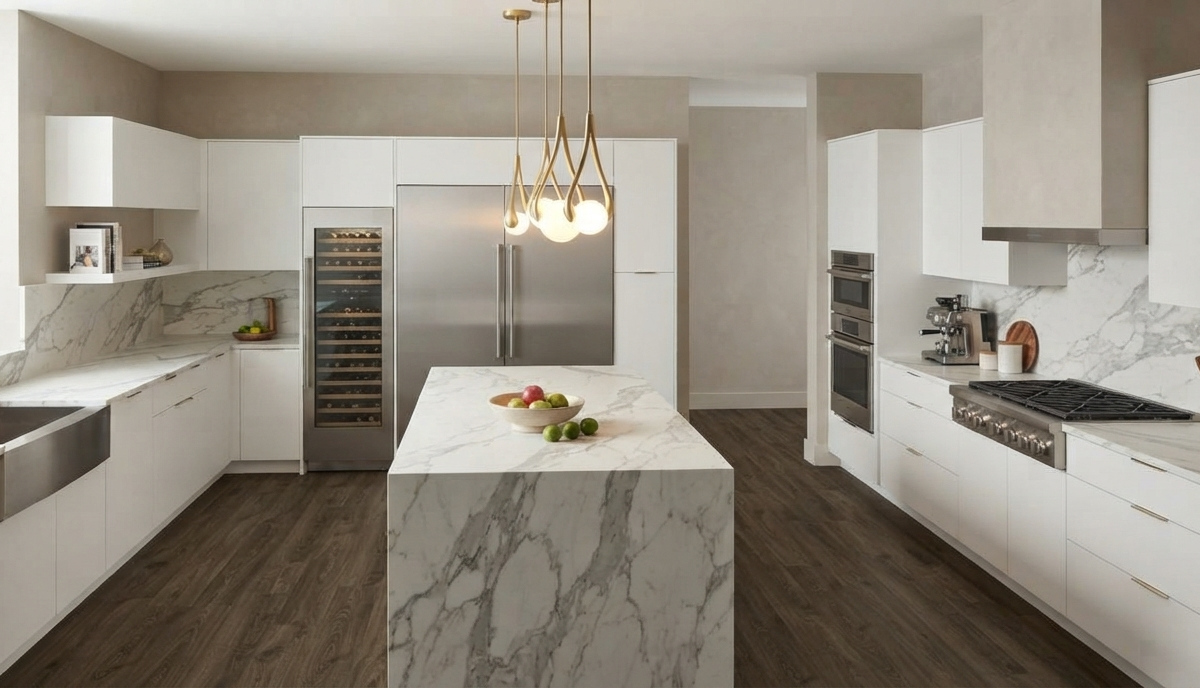
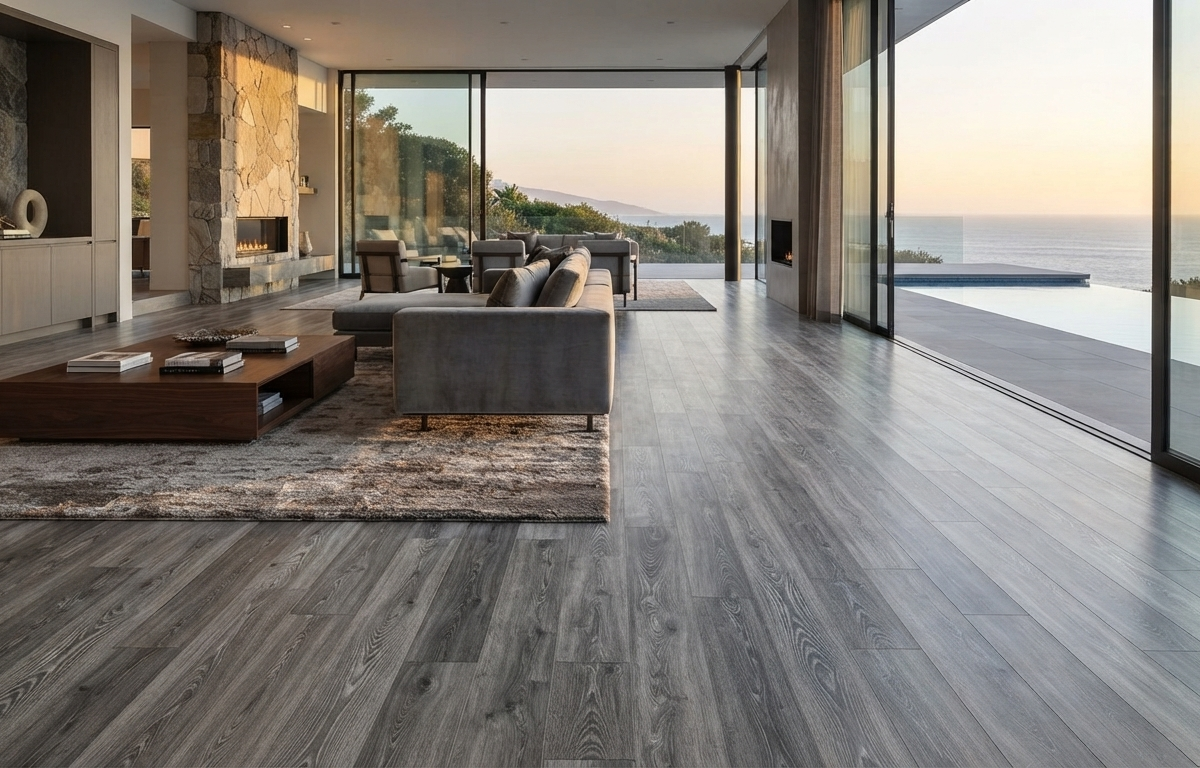
How much does luxury vinyl flooring cost? Learn cost per sq ft, what drives price, how vinyl flooring installation works, and how to hire the right contractor in Orlando.
Luxury Vinyl Flooring Cost and Installation: The Complete Guide Before You Buy FLOORING-CULTURE 29140-5
Nobody enjoys a surprise invoice. You pick a gorgeous floor, you feel great about it, and then the quote arrives with line items you never expected: subfloor repair, removal, transitions, underlayment, labor. Suddenly the number is larger than the one you had in your head.
This guide exists to prevent that moment. We will walk through luxury vinyl flooring cost in plain language, explain what pushes the price up or down, break down vinyl flooring cost per sq ft and waterproof flooring cost, and then take you step by step through vinyl flooring installation so you know what a good job looks like. Along the way, we will show where FLOORING-CULTURE 29140-5 from FLOORING CULTURE fits into a realistic budget.
A good budget is not about spending less. It is about knowing exactly where every dollar goes, so nothing catches you off guard.
The Honest Answer to “How Much Does It Cost?”
When people search luxury vinyl flooring cost, they usually want one number. The truthful answer is a range, and the range exists for good reasons.
Total project cost is made of two big pieces:
- Materials. The planks or tiles themselves, plus any underlayment, adhesives, trims, and transitions.
- Labor and preparation. Removing old flooring, preparing the subfloor, installing the new floor, and finishing details.
Material prices for luxury vinyl vary widely depending on thickness, wear layer, core construction, brand, and design complexity. Installation costs vary by region, room shape, and the condition of what lies underneath.
Rather than chasing a single number, think in terms of “installed cost per square foot” and build your own estimate from the factors below.
For exact pricing on FLOORING-CULTURE 29140-5, visit the product page on the FLOORING CULTURE website or visit our website to request a project-specific quote. Prices change with market conditions, so always rely on a current, written quote rather than an old figure you saw somewhere.
What Drives Vinyl Flooring Cost Per Sq Ft
Let us look at each factor that moves the price.
1. Product quality and construction
Thicker wear layers, rigid cores, and attached underlayment generally raise material cost, but they often extend the life of the floor and improve comfort. A thin, low-end product may cost less up front and show wear sooner.
2. Plank or tile size
Wider and longer planks look modern and premium, and they can cost a little more. They may also reduce the number of seams, creating a cleaner appearance.
3. Design realism
More realistic embossing, varied patterns, and richer colors often come with higher pricing. The visual difference can be well worth it in prominent rooms.
4. Room size and layout
Large, open areas can be cost-efficient per square foot. Small rooms, many corners, angles, and cut-outs increase labor time and material waste.
5. Subfloor condition
A flat, clean, dry subfloor keeps costs down. Cracks, dips, moisture issues, or leftover adhesive can require grinding, patching, leveling compound, or moisture barriers.
6. Removal of existing flooring
Taking out carpet, tile, or old vinyl takes time. Disposal fees may apply. Some installers include removal in their quote, others itemize it.
7. Installation method
Floating click-lock floors are often faster to install, while glue-down installations can require more labor and prep.
8. Trim, baseboards, and transitions
New quarter round, baseboards, stair nosing, and thresholds all add cost, but they give the project a finished look.
9. Labor rates and local demand
Prices vary by city and season. In busy markets, installers may be booked out for weeks.
10. Waste factor
Installers order extra material, commonly around ten percent more than the measured area, to account for cuts, mistakes, and future repairs.
Budgeting Like a Pro: Build Your Own Estimate
Here is a simple, practical method to estimate your project.
Step 1: Measure each room. Length times width for each space. Add them together for total square footage.
Step 2: Add a waste allowance. Add around ten percent, or more for diagonal layouts and complex rooms.
Step 3: Choose your product. Use the price per square foot from the product page for FLOORING-CULTURE 29140-5 or any other option you are considering.
Step 4: Add underlayment and supplies. Not every plank needs separate underlayment. Check whether it is attached.
Step 5: Add prep costs. Include leveling, moisture barriers, or repairs if needed.
Step 6: Add removal and disposal. Particularly for old carpet, tile, or glue-down vinyl.
Step 7: Add trim and transitions.
Step 8: Add labor. Request written quotes from at least two or three installers.
Step 9: Add a contingency. A buffer of around five to ten percent helps with surprises, such as hidden subfloor damage.
That final contingency line is the difference between a calm project and a stressful one.
Waterproof Flooring Cost: Is It Worth Paying More?
Searches for waterproof flooring cost often come from people who have been burned by water damage before, or who live in humid regions and want to avoid it.
Waterproof luxury vinyl can cost more than the cheapest laminate, but it often costs less than hardwood or natural stone, and it can save money over time. Consider what a water event can do to a floor that is not waterproof: replacement, mold remediation, disruption to your household. When you factor in those risks, many homeowners see waterproof flooring as a smart investment.
Waterproof flooring benefits that influence value include:
- Fewer worries about spills and leaks
- Less risk of swelling, warping, or rot
- Easier cleaning
- Suitable for bathrooms, kitchens, basements, and laundry rooms
- Reduced long-term repair costs
Paying a little more for the right material can be cheaper than paying twice for the wrong one.
Luxury Vinyl vs Other Floors: Cost in Context
If you are comparing across materials, here is how luxury vinyl tends to sit.
- Versus laminate: Laminate is often lower in material cost, but luxury vinyl offers better water resistance. Read more in our comparison guide on the blog page, where we cover luxury vinyl flooring vs laminate in depth.
- Versus hardwood: Hardwood is usually more expensive to buy, install, and maintain. Vinyl flooring vs hardwood is often decided by budget and moisture risk.
- Versus tile: Tile can be pricey once you add setting materials, grout, and skilled labor. Luxury vinyl tile offers similar looks for less in many cases.
- Versus carpet: Carpet can be affordable at first but may need replacing sooner and is harder to keep clean.
Is Luxury Vinyl Flooring Worth It?
Value is more than price. Ask yourself:
- Will this floor survive my household?
- Will it look good for years?
- Will it save me time and repair costs?
- Will it help my home feel fresh and appealing?
For many families, the answer to is luxury vinyl flooring worth it is yes, especially when they consider durability, comfort, and ease of care. And because tidy, updated floors improve first impressions, people also ask can vinyl flooring increase home value. While no flooring guarantees a specific return, installing a quality, attractive floor can make a home more competitive when you sell.
How Long Will It Last? Think in Cost Per Year
A smart way to judge value is cost per year of service.
If a floor lasts fifteen to twenty-five years or more, which is a common expectation for well-installed, quality luxury vinyl, then the yearly cost shrinks quickly. When people ask how long does vinyl flooring last, the answer influences how they view the upfront price.
Factors that extend lifespan:
- Thick wear layer
- Proper installation
- Regular cleaning of grit
- Furniture pads and entry mats
- Reasonable control of sunlight and temperature
A floor that lasts twice as long at a modest price premium is the better bargain every time.
Understanding Vinyl Flooring Installation
Now let us turn from cost to craft. A good plank can be ruined by a rushed job, and a great installer can make an average floor look fantastic. Here is how vinyl flooring installation usually works from start to finish.
Step 1: Consultation and measuring
A professional visits, measures the space, inspects the subfloor, and discusses layout, transitions, and finishes. Expect questions about furniture, doorways, and traffic.
Step 2: Moisture and subfloor testing
Concrete slabs should be tested for moisture. Wood subfloors should be checked for movement, squeaks, and damage. Moisture problems must be solved before any floor goes down.
Step 3: Removing old flooring
Carpet, tack strips, tile, or old vinyl are removed. Adhesive residue is scraped or ground away. Baseboards may be removed carefully and reinstalled afterward.
Step 4: Preparing the subfloor
The surface must be clean, dry, flat, and solid. Low spots are filled, high spots are ground down, and cracks are repaired. This step is the most important for a smooth finished floor.
Step 5: Acclimation
Planks rest in the room for the time recommended by the manufacturer so they adjust to temperature and humidity.
Step 6: Layout planning
Installers plan the starting wall, plank direction, and pattern. They aim to avoid narrow slivers at the edges and to stagger seams for a natural look.
Step 7: Installing underlayment, if required
Some planks have attached underlayment, while others need a separate layer. Using the wrong combination can void warranties, so follow manufacturer guidance.
Step 8: Laying the planks
For click-lock floors, planks are angled or tapped together. Expansion gaps are left at walls and fixed objects. Cuts around doorframes, vents, and corners are made carefully.
Step 9: Trim and transitions
Baseboards, quarter round, thresholds, and reducers hide expansion gaps and create clean transitions to other floors.
Step 10: Final inspection and cleanup
Check seams, edges, and trim. Clean the floor according to manufacturer instructions. Discuss care instructions and warranty details.
DIY or Hire a Pro?
Many homeowners ask whether they can handle floor installation themselves. The answer depends on your skill, time, and project.
When DIY can work
- Small, simple, rectangular rooms
- Flat, clean, already-prepped subfloors
- Click-lock floating floors
- Homeowners comfortable with measuring, cutting, and careful planning
When to hire a professional
- Large, open-plan areas
- Complex layouts, stairs, or many angles
- Concrete slabs with moisture concerns
- Uneven subfloors
- Commercial or rental projects
- When warranty terms require professional installation
A pro does not just save time. A pro protects your investment.
If you are hunting for flooring contractors Orlando residents trust, see the checklist below.
How to Choose a Flooring Contractor in Orlando
Typing flooring near me into a search bar will give you many results. Narrowing them down takes a little work.
- Check experience with luxury vinyl. Ask how many vinyl installations they complete and see photos.
- Ask about Florida conditions. A good installer talks naturally about slab moisture, humidity, and acclimation.
- Request a written, itemized quote. Materials, labor, removal, prep, trim, and contingencies should be clear.
- Confirm licensing and insurance. Ask for proof where applicable.
- Read reviews and ask for references. Look for patterns in feedback.
- Ask about timelines. How long will the job take and how will they protect your home during work?
- Discuss warranties. Understand what the product warranty and workmanship warranty cover.
- Notice communication. Responsiveness before the sale is a clue to responsiveness after.
If you are comparing a flooring company Orlando option against another, or trying to identify the best flooring company Orlando has for your project, communication and transparency matter as much as price. This is true for residential flooring Orlando jobs, laminate flooring Orlando projects, and commercial flooring Orlando work alike.
Common Installation Mistakes (and How to Avoid Them)
- Skipping acclimation. Planks may expand or contract after installation, causing gaps or buckling.
- Ignoring subfloor flaws. Bumps and dips telegraph through the floor.
- Forgetting expansion gaps. Floating floors need space to move.
- Using the wrong adhesive or underlayment. Always follow manufacturer guidance.
- Poor seam planning. Repeating patterns or aligned seams look unnatural.
- Rushing cuts around doorframes and vents. Careful work looks professional.
- Not protecting the new floor afterward. Heavy appliances and furniture should be moved with care.
Hidden Costs People Forget
- Moving and storing furniture
- Appliance disconnection and reconnection
- Door trimming so doors clear the new floor height
- Stair installation, which is labor intensive
- Extra material for future repairs
- Temporary living arrangements for large projects
- Permits or HOA requirements, where applicable
Ask your installer to list every item that could affect the final total. A good one will not mind.
Money-Saving Tips That Do Not Cut Corners
- Measure accurately and plan layouts. Less waste means less cost.
- Choose a product that suits your needs, not your fantasies. Heavy-duty features cost more, so match them to the space.
- Prepare the room yourself. Clearing furniture and removing baseboards, if the installer allows it, can reduce labor time.
- Compare multiple quotes. Do not choose on price alone.
- Bundle projects. Installing flooring throughout the home at once can be more efficient than piecemeal work.
- Schedule smartly. Off-peak times may offer better availability.
- Invest in good prep. Spending on subfloor work saves money later.
Where FLOORING-CULTURE 29140-5 Fits Your Budget
FLOORING-CULTURE 29140-5 is a luxury vinyl plank flooring option from FLOORING CULTURE designed to balance style, performance, and value. When estimating your project:
- Use the current price on the product page as your material baseline.
- Confirm whether underlayment is attached or needs to be purchased separately.
- Ask about recommended installation methods.
- Request a quote that includes labor, prep, trim, and a contingency.
To see pricing, specifications, and more, visit the product page. To talk through your project or explore more collections, visit our website FLOORING CULTURE.
Care After Installation
Protect your investment with simple habits:
- Wait the recommended period before heavy cleaning or moving large furniture.
- Sweep or vacuum regularly.
- Damp mop with a vinyl-safe cleaner.
- Wipe spills quickly.
- Use felt pads and entry mats.
- Avoid abrasive tools and harsh chemicals.
- Control strong direct sunlight with blinds or film.
You will find more care and design guidance on the blog page, including ideas for modern layouts and flooring trends 2026.
Final Thoughts
The true cost of luxury vinyl flooring is not a single number. It is a combination of product choice, preparation, installation, and care. When you understand each piece, you can plan with confidence, compare quotes fairly, and avoid unpleasant surprises.
FLOORING-CULTURE 29140-5 from FLOORING CULTURE offers an attractive, practical way to bring modern flooring into your home without losing control of your budget.
Next steps:
- Visit the product page to check pricing and specs.
- Visit our website to request guidance or a quote.
- Explore more guides on the blog page.
Frequently Asked Questions
1. How much does luxury vinyl flooring cost? Cost depends on product quality, room size, subfloor condition, removal needs, and labor. Always request a written, installed quote so you see the full total, not just the material price.
2. What is the typical vinyl flooring cost per sq ft? Material prices vary widely by thickness, wear layer, and design, and installation adds labor and prep costs. Check the current price on the product page and ask for an itemized estimate.
3. Is waterproof flooring more expensive? It can cost more than the cheapest laminate, but it often costs less than hardwood or stone and may save money by avoiding water damage.
4. Does the cost include installation? Not always. Many product prices cover materials only. Ask whether labor, removal, prep, trim, and transitions are included in a quote.
5. How long does vinyl flooring installation take? Small rooms can be completed in a day, while whole-home projects take several days. Subfloor prep, removal, and layout complexity influence the timeline.
6. Can I install luxury vinyl flooring myself? Yes, in simple spaces with prepared subfloors and click-lock products. For large, complex, or moisture-prone areas, professional installation is recommended.
7. Do I need underlayment? Some products have attached underlayment, others do not. Follow manufacturer instructions, since the wrong underlayment can affect performance and warranty.
8. Can luxury vinyl be installed over existing flooring? Often yes, if the existing surface is clean, flat, solid, and approved by the manufacturer. Soft or uneven surfaces usually need to be removed or repaired.
9. How do I find a good flooring contractor in Orlando? Look for luxury vinyl experience, itemized quotes, licensing and insurance, strong reviews, and clear communication about slab moisture and local conditions.
10. Where can I see the price of FLOORING-CULTURE 29140-5? Visit the product page on the FLOORING CULTURE website for current details, or visit our website to request guidance and a project quote.